Structural Drying for Gaithersburg Homeowners After Water Damage
When water gets into the bones of your home, visible damage is only part of the problem. Moisture trapped inside wall framing, subfloors, and ceiling joists causes wood rot, mold growth, and weakened structural integrity if it is not addressed quickly. Vinis Renovation and Restoration provides professional structural drying for homes and commercial properties throughout Gaithersburg and the broader Montgomery County area.
Gaithersburg sits in a region that sees significant rainfall and humidity throughout the year, and many neighborhoods here, from Rio to Crown Farm to older sections near Shady Grove Road, have homes with finished basements and crawl spaces that are especially vulnerable to water intrusion. Our team responds fast, works directly with your insurance company, and uses proven drying science to bring your property back to safe moisture levels.
What’s Included in Our Structural Drying Services
When you hire Vinis Renovation and Restoration for structural drying in Gaithersburg, you get a complete moisture removal service, not just fans placed in a room. We handle everything from initial moisture mapping through final clearance readings, with daily monitoring and full insurance documentation throughout the process.
Thermal Imaging and Moisture Mapping
We use infrared thermal cameras and professional moisture meters to locate every pocket of trapped water in your structure. This includes areas hidden behind drywall, under engineered hardwood, and inside ceiling assemblies. Skipping this step is how mold ends up appearing weeks after a homeowner thought everything was dry.
Industrial Drying Equipment Placement
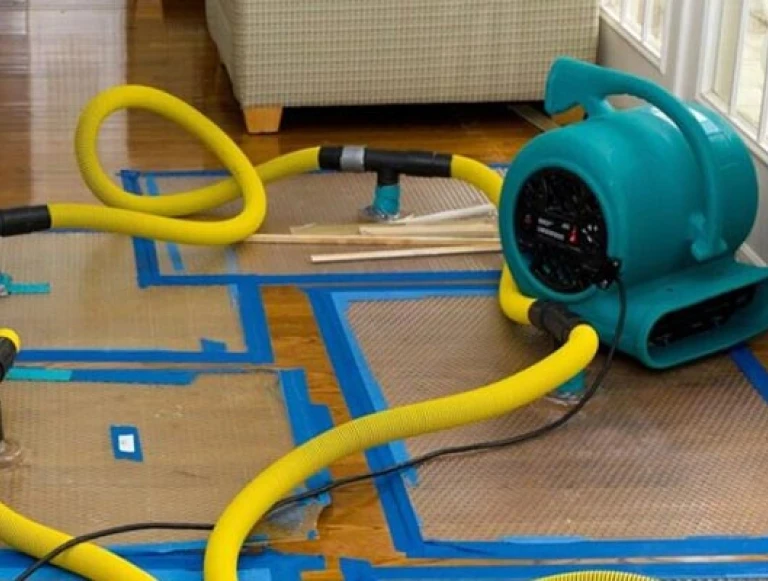
We deploy commercial-grade air movers and low-grain refrigerant dehumidifiers sized to the specific volume and material type of your affected space. Our equipment is calibrated for the conditions found in Gaithersburg homes, including the dense framing common in colonial-style homes built in the 1980s and 1990s across subdivisions like Quince Orchard Park. Equipment placement follows IICRC S500 drying standards, not guesswork.
Daily Monitoring and Insurance Documentation
A technician visits your property each day to record moisture readings across every monitored zone and adjust equipment positioning as drying progresses. All readings are logged and compiled into a drying report that supports your insurance claim. When moisture levels reach the dry standard across all materials, we remove equipment and provide written clearance documentation.
If you have water damage and are not sure where to start, contact us today and we will walk you through the next steps clearly and honestly.
When Do You Need Structural Drying After a Water Event?
Not every water event looks catastrophic, but many situations that seem minor on the surface can leave serious moisture inside your home’s structure. Gaithersburg homeowners deal with a range of water damage scenarios throughout the year, and knowing when to call a professional can prevent a manageable problem from becoming a major one.
Burst or Leaking Pipes Inside Walls
A pipe that bursts inside a wall cavity or under a subfloor can saturate framing and insulation for days before you notice the surface signs. This is especially common in older Gaithersburg homes where galvanized or copper supply lines run through unconditioned spaces. By the time you see a stain on the ceiling or feel soft flooring, the wood behind it may already be compromised. Professional burst pipe repair and drying together are essential in these cases.
Basement Flooding After Heavy Rain
Montgomery County regularly experiences heavy rainfall events, and finished basements in Gaithersburg neighborhoods like Kentlands and Lakelands can take on water during severe storms. Even an inch of standing water in a finished basement saturates drywall, carpet padding, and wood framing quickly. Without proper drying, mold remediation becomes necessary within days.
Flooding from Appliance or HVAC Failures
Water heater failures, washing machine supply line breaks, and HVAC condensate overflows are among the most common sources of water damage in Gaithersburg homes. These events often go unnoticed for hours or days, especially in utility rooms or finished lower levels. The longer saturated materials sit without drying intervention, the deeper moisture penetrates into structural components.
Acting within the first 24 to 48 hours after a water event dramatically reduces the total damage and restoration cost, so call as soon as you discover a problem.
Our Structural Drying Process for Gaithersburg Properties
Schedule Your Emergency Assessment
Call our team and we will get a technician to your Gaithersburg property fast, day or night. We ask a few quick questions to understand the scope before we arrive so we bring the right equipment from the start. There is no charge for the initial assessment and we can often be on-site the same day you call.
Inspect and Map Every Wet Zone
Our technician conducts a full moisture inspection using thermal imaging and calibrated meters to identify all affected materials and cavities. We document every wet reading with photos and a moisture map that becomes part of your project file. This step protects you during the insurance claims process and ensures we do not miss any hidden moisture pathways that could cause problems later.
Deploy Equipment and Begin Active Drying
We position air movers and dehumidifiers according to the drying plan developed during the inspection phase. Equipment runs continuously and we return each day to record readings, reposition units as zones dry out, and update your documentation. We also coordinate with your insurance adjuster directly if needed, providing daily logs and photo documentation to support your claim. If structural repairs are needed after drying, our team can also handle flood cleanup and rebuild work.
Confirm Clearance and Complete Final Inspection
Before we remove any equipment, we verify that moisture levels across every monitored zone have reached the dry standard for that material type. We provide written clearance documentation you can share with your insurance company or a contractor performing any follow-up repairs. If we find signs of mold during the drying process, we will recommend mold remediation before closing out the drying scope.