Structural Drying for Greenbelt Homeowners
When water gets into the bones of your home, drying out the surface is not enough. Structural drying removes moisture trapped inside wall cavities, floor joists, and framing, protecting your home from mold, rot, and long-term structural compromise. Vinis Renovation and Restoration serves Greenbelt and the wider Prince George’s County area with professional structural drying backed by IICRC certification and 24/7 availability.
Greenbelt’s housing stock ranges from the original cooperative homes built in the late 1930s to mid-century ranchers and modern townhomes near the Beltway. Many of these structures have older framing, finished basements, and crawl spaces that are vulnerable to moisture infiltration after heavy rain, plumbing failures, or appliance leaks. Our crew understands the specific building types in this area and brings the right equipment to handle them.
What’s Included in Our Structural Drying Services
When you hire Vinis Renovation and Restoration for drying work in Greenbelt, you get a complete response, not just fans dropped off in a wet room. Every job includes moisture mapping, targeted equipment placement, daily monitoring, and a final clearance report. Here is what that looks like in practice.
Thermal Imaging and Moisture Mapping
We use thermal imaging cameras and calibrated moisture meters to locate every wet area before placing a single piece of equipment. This step is critical in Greenbelt homes where moisture can wick into drywall, insulation, and wood framing well beyond the visible water line. Accurate mapping means we dry the right areas and avoid missing hidden pockets that would cause mold growth later.
Industrial Drying Equipment and Daily Monitoring
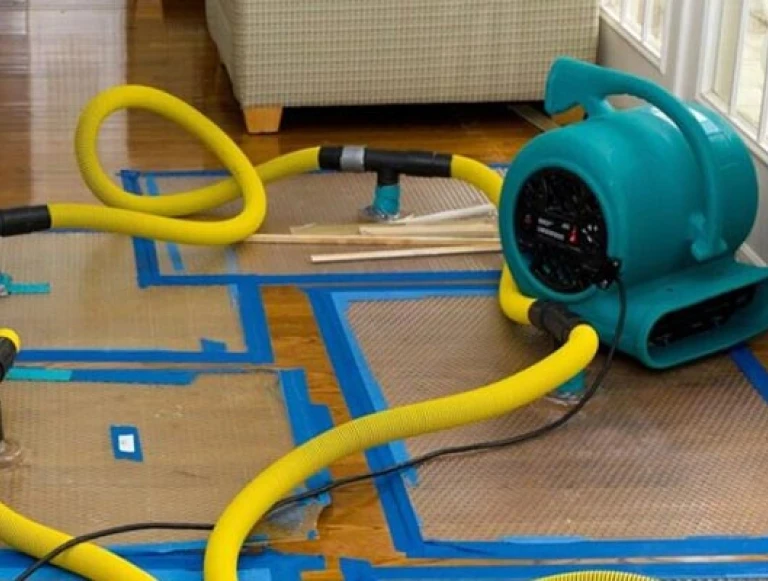
We deploy commercial air movers and low-grain refrigerant dehumidifiers sized for the job, not consumer-grade units that take twice as long. Equipment is repositioned daily based on moisture readings to ensure every structural element reaches safe dryness levels. This approach cuts drying time and reduces the risk of secondary damage to finishes and contents.
Documentation and Insurance Support
Every job produces a detailed drying log with daily moisture readings, equipment settings, and photos. This documentation is essential when filing a claim with your homeowners insurance carrier. We work directly with adjusters and can provide supplemental documentation if your claim requires additional support.
Contact Vinis Renovation and Restoration today to get a certified drying crew to your Greenbelt property fast.
When Do Greenbelt Homeowners Need Structural Drying?
Structural drying becomes necessary any time water has been in contact with building materials long enough to penetrate beyond the surface. In Greenbelt, there are several common situations that trigger the need for professional drying services, and acting quickly in any of them makes a significant difference in the final repair cost.
Burst or Leaking Pipes in Older Greenbelt Homes
Many homes in and around Greenbelt were built in the mid-twentieth century and still have original supply lines or galvanized steel pipes that are prone to corrosion and failure. A burst pipe inside a wall can saturate framing, insulation, and drywall before anyone notices. By the time visible water appears, the structural materials behind the wall are already heavily saturated and require professional burst pipe repair and drying.
Basement Flooding After Heavy Rain
Greenbelt sits in a region that receives significant rainfall from spring thunderstorms and occasional nor’easters. Finished and unfinished basements in this area are frequent targets for water intrusion through foundation walls, window wells, and floor drains. After a flood event, the concrete, drywall, and wood framing in a basement can hold moisture for weeks without targeted drying equipment in place. Professional flood cleanup paired with structural drying is the fastest path to a dry, safe basement.
Appliance Failures and Slow Leaks
Dishwasher leaks, refrigerator line failures, and washing machine overflows are among the most common causes of structural moisture damage in Greenbelt homes. These events often go unnoticed for days, allowing water to soak into subfloors and travel along floor joists. Even a slow drip under a sink can saturate a cabinet floor and the subfloor below it over time, creating the ideal conditions for mold growth.
Do not wait to see visible damage before calling. Hidden moisture spreads fast and the longer it sits, the more expensive the repair becomes.
Our Structural Drying Process for Greenbelt Properties
Schedule Your Emergency Assessment
Call Vinis Renovation and Restoration any time and we will get a certified technician to your Greenbelt address as quickly as possible. We ask a few questions over the phone to understand the scope and make sure we arrive with the right equipment. Same-day response is available for active water damage situations.
Inspect and Map All Affected Areas
On arrival, our technicians conduct a full moisture inspection using thermal cameras and digital meters to identify every wet structural element. In Greenbelt homes with finished basements or older construction, this step often reveals moisture behind walls and under floors that is not visible from the surface. The inspection results drive every decision we make about equipment placement and drying strategy. This work also feeds directly into your mold remediation prevention plan if mold risk is identified.
Deploy Equipment and Dry the Structure
We set up commercial air movers and dehumidifiers in configurations designed to move air through structural cavities, not just across open surfaces. Daily moisture checks track progress and we adjust equipment placement as readings improve. Most Greenbelt jobs reach clearance levels within three to five days, though larger losses or high ambient humidity can extend that timeline.
Final Inspection and Walkthrough
Before removing any equipment, we take final moisture readings across all affected areas to confirm every structural element has reached safe levels. We walk you through the results, answer your questions, and hand over a complete drying report for your insurance file. If follow-up repairs are needed, such as water damage restoration work on finishes or framing, we can coordinate that directly so you have one point of contact throughout the process.