Structural Drying for Glen Burnie Homeowners
Water damage does not stop when the visible water is removed. Moisture soaks deep into wall cavities, subfloors, insulation, and framing, and if that trapped moisture is not extracted properly, mold can begin growing within 24 to 48 hours. For homeowners throughout Glen Burnie and the broader Anne Arundel County area, fast professional action is the difference between a manageable repair and a major structural problem.
Vinis Renovation and Restoration specializes in structural drying for residential and commercial properties across Glen Burnie. Our certified team uses industrial dehumidifiers, high-velocity air movers, and thermal imaging equipment to locate and eliminate hidden moisture before it causes lasting damage. We are available around the clock because water damage rarely happens at a convenient time.
What’s Included in Our Structural Drying Services
When you hire Vinis Renovation and Restoration for structural drying in Glen Burnie, you get a complete moisture elimination process, not just fans dropped in a wet room. Every job includes a full moisture assessment, targeted equipment placement, and daily monitoring until your structure is confirmed dry to industry standards.
Thermal Imaging and Moisture Mapping
We use thermal imaging cameras to detect temperature differences that reveal where water is hiding inside your walls and floors. Calibrated pin and pinless moisture meters confirm exact saturation levels in wood framing, drywall, and concrete. This step ensures no wet pocket is missed, which is especially important in older Glen Burnie homes with plaster walls or original wood framing.
Industrial Drying Equipment Placement
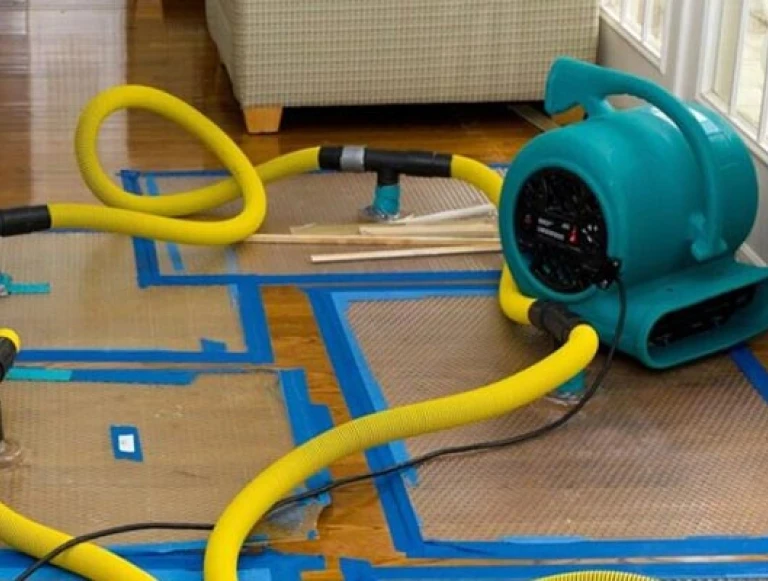
Our technicians position commercial-grade air movers and low-grain refrigerant dehumidifiers based on the moisture map findings, not guesswork. For particularly saturated structural assemblies, we also use desiccant dehumidifiers and negative air pressure techniques to accelerate drying. Equipment is adjusted daily as moisture readings change throughout the drying cycle.
Documentation and Insurance Support
Every moisture reading, equipment log, and daily progress report is documented and provided to you in a format your insurance adjuster can use directly. Vinis Renovation and Restoration works with all major insurance carriers and can communicate directly with your claims representative. When drying is complete, you receive a final report confirming your structure has reached acceptable moisture levels.
Contact Vinis Renovation and Restoration today to schedule a structural drying assessment for your Glen Burnie property.
When Do You Need Structural Drying After Water Damage?
Many Glen Burnie homeowners assume that running a box fan and opening windows is enough after a water incident. In reality, surface drying does nothing to address moisture that has already wicked into structural materials. There are several common situations where professional structural drying is necessary.
After a Burst Pipe in Glen Burnie’s Older Housing Stock
Glen Burnie has a significant number of homes built in the 1950s through 1970s, many with original plumbing that is now aging and prone to failure. When a supply line or drain pipe bursts inside a wall or under a floor, water spreads quickly through framing and insulation before it becomes visible. If you have had a burst pipe repair completed but did not follow up with structural drying, trapped moisture may already be causing hidden damage.
Following Basement Flooding During Heavy Rain Events
Glen Burnie sits in a low-lying area of Anne Arundel County and experiences significant runoff and groundwater intrusion during heavy rain, particularly in neighborhoods near Marley Creek and Furnace Creek. Basement flooding saturates concrete block walls, floor slabs, and wood framing at the base of the structure. Without aggressive drying, mold remediation will be needed within days as spores activate in the damp environment.
After Any Sewage Backup or Appliance Overflow
Dishwasher failures, washing machine overflows, and sewage backups are among the most common water damage sources we see in Glen Burnie homes. These incidents often go unnoticed for hours, allowing contaminated water to absorb into adjacent cabinets, subfloors, and walls. Category 3 water events like sewage cleanup require both disinfection and thorough structural drying to eliminate health risks and prevent odor problems.
Do not wait to call if you suspect moisture is hiding in your structure. Every day of delay increases the risk of mold growth and structural deterioration.
Our Structural Drying Process for Glen Burnie Properties
Schedule Your Emergency Assessment
Call Vinis Renovation and Restoration any time and a certified technician will be dispatched to your Glen Burnie address. We ask a few quick questions about the water source and how long the damage has been present so we arrive with the right equipment. Emergency calls are prioritized and we aim to be on-site within hours of your call.
Assess Moisture Penetration Throughout the Structure
Our technician conducts a full walkthrough using thermal imaging and moisture meters to determine how far water has traveled into your building’s materials. We check inside wall cavities, under flooring, above ceilings, and inside insulation bays. This assessment produces a moisture map that guides every aspect of the drying plan.
Deploy Equipment and Execute the Drying Plan
Industrial air movers and dehumidifiers are placed at calculated positions throughout the affected areas to move moisture-laden air and capture it efficiently. We return each day to take new readings, adjust equipment, and confirm the drying process is progressing correctly. Flood cleanup jobs with heavy saturation may require equipment to run continuously for five to seven days or longer.
Conduct Final Inspection and Deliver Documentation
When moisture readings across all affected materials reach acceptable dry standards, our technician conducts a final inspection and confirms results with a full written report. You receive documentation showing before and after moisture levels at every test point. This report is submitted directly to your insurance company or provided to any contractors completing subsequent repairs.